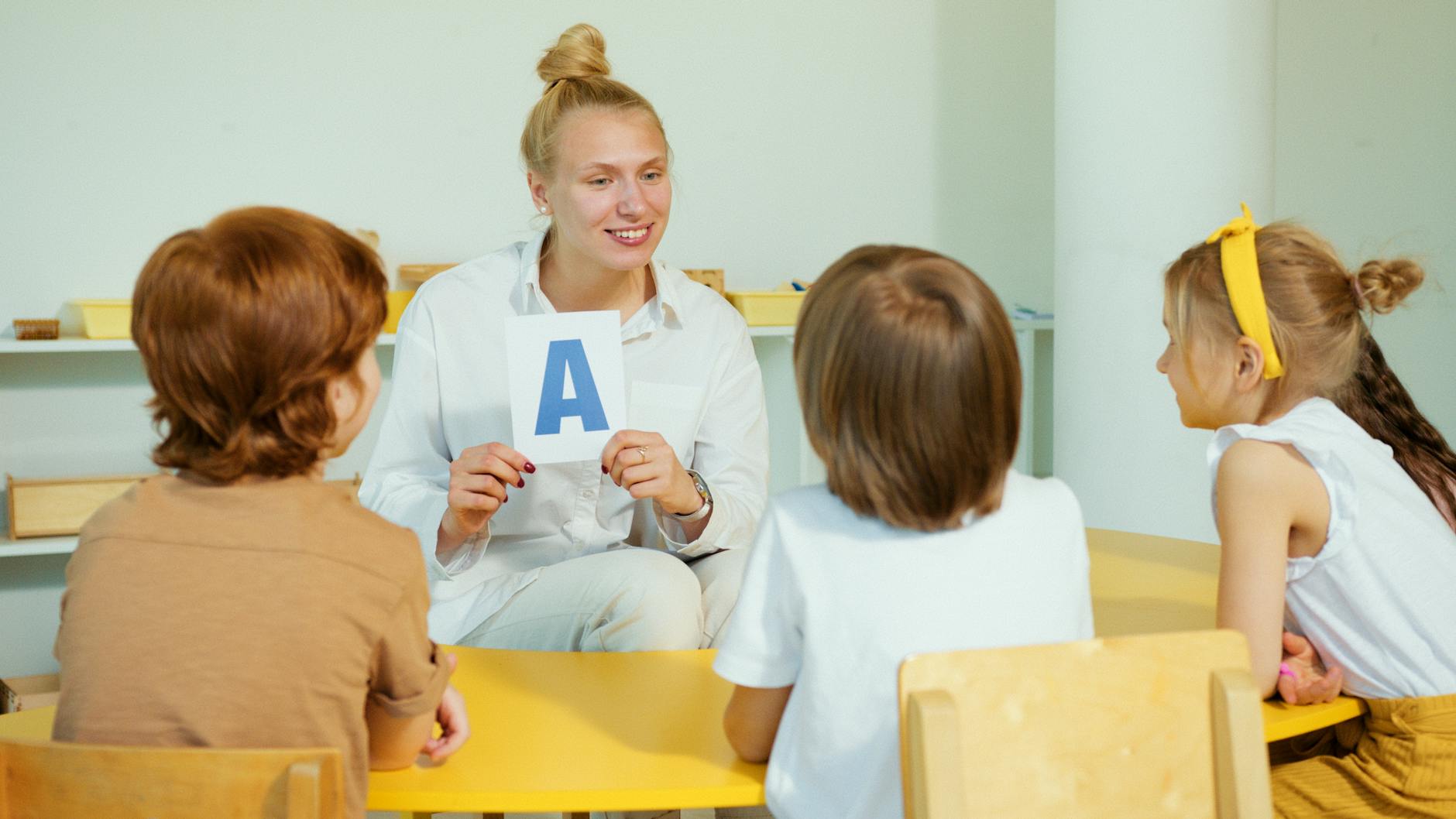
The Creative Curriculum Framework
At Little Einstein’s Academy, every classroom experience is built on the Creative Curriculum — a nationally recognized, research-based early childhood education framework that is endorsed by the State of New Jersey and used by leading childcare programs across the country.
Unlike rigid, worksheet-driven programs, the Creative Curriculum is grounded in decades of child development research. It recognizes that young children learn best through active exploration, meaningful interactions, and hands-on experiences. The framework covers all domains of early development:
- Cognitive Development — Problem-solving, critical thinking, cause and effect
- Language and Literacy — Vocabulary building, pre-reading skills, storytelling
- Mathematics — Number sense, patterns, shapes, spatial reasoning
- Social-Emotional Development — Self-regulation, empathy, cooperation
- Physical Development — Fine and gross motor skills, coordination, healthy habits
- Science and Technology — Observation, experimentation, natural curiosity
- Arts and Creative Expression — Music, visual arts, dramatic play, movement
Our teachers use the Creative Curriculum to plan intentional, age-appropriate activities while remaining flexible enough to follow each child’s interests and developmental needs. The result is a learning environment that feels joyful and organic — but is deeply purposeful.
How We Teach Each Age Group
Children at different ages learn in fundamentally different ways. Our curriculum adapts to meet each developmental stage with the right balance of structure and freedom.
Infants (6 Weeks to 12 Months)
For our youngest learners, the curriculum focuses on building trust, sensory exploration, and establishing healthy routines. Our infant program creates a warm, predictable environment where babies feel safe to explore. Activities include:
- Sensory play with age-appropriate textures, sounds, and colors
- Tummy time and supported movement to build motor skills
- One-on-one reading, singing, and talking to foster early language development
- Consistent daily routines for feeding, napping, and diaper changes that build security
- Gentle music and rhythm activities that stimulate brain development
Toddlers (Ages 1-2)
Toddlers are natural explorers, and our toddler program channels that energy into meaningful learning experiences. At this stage, the curriculum emphasizes:
- Rapid language development through conversation, stories, and songs
- Social skills — sharing, turn-taking, and playing alongside peers
- Gross motor activities like climbing, running, and outdoor play
- Fine motor practice through painting, building, and simple puzzles
- Early independence skills like self-feeding and simple cleanup routines
Pre-K (Ages 3-5)
Our pre-K program is focused on kindergarten readiness. Children in this age group engage in more structured learning activities while still benefiting from play-based exploration. The curriculum covers:
- Letter recognition, phonics, and early reading skills
- Number recognition, counting, and basic math concepts
- Writing practice — name writing, letter formation, and journaling
- Science experiments and nature observation projects
- Collaborative projects that build teamwork and communication skills
- Social studies — community helpers, cultural awareness, and geography basics
Daily Learning Activities
A typical day at Little Einstein’s Academy is filled with purposeful learning activities, balanced with rest and free play. Here is what a day might look like across our classrooms:
Literacy and Language
Every day includes dedicated time for reading aloud, storytelling, and vocabulary-building activities. Older children participate in phonics instruction, letter tracing, and group discussions about books. Even our youngest children hear hundreds of words a day through songs, narration, and one-on-one conversation with their caregivers.
Math and Problem-Solving
Mathematical thinking is woven throughout the day — from counting steps on the way to the playground to sorting blocks by color and size. Pre-K children work with number lines, simple addition concepts, and pattern recognition activities that build the foundation for elementary math.
Science and Discovery
Children are natural scientists. Our classrooms include discovery areas where children can observe plants growing, explore magnets, experiment with water and sand, and ask questions about the world around them. Teachers guide inquiry-based projects that encourage observation, prediction, and testing.
Art, Music, and Creative Expression
Creative arts are not an afterthought — they are central to our program. Children paint, draw, sculpt, dance, and make music every day. These activities develop fine motor skills, self-expression, and creative thinking that support learning across all domains.
Outdoor Play and Physical Activity
Both of our locations feature dedicated outdoor play areas where children run, climb, and explore. Physical activity is essential for healthy development, and we ensure that children spend time outdoors every day, weather permitting.
Social-Emotional Development
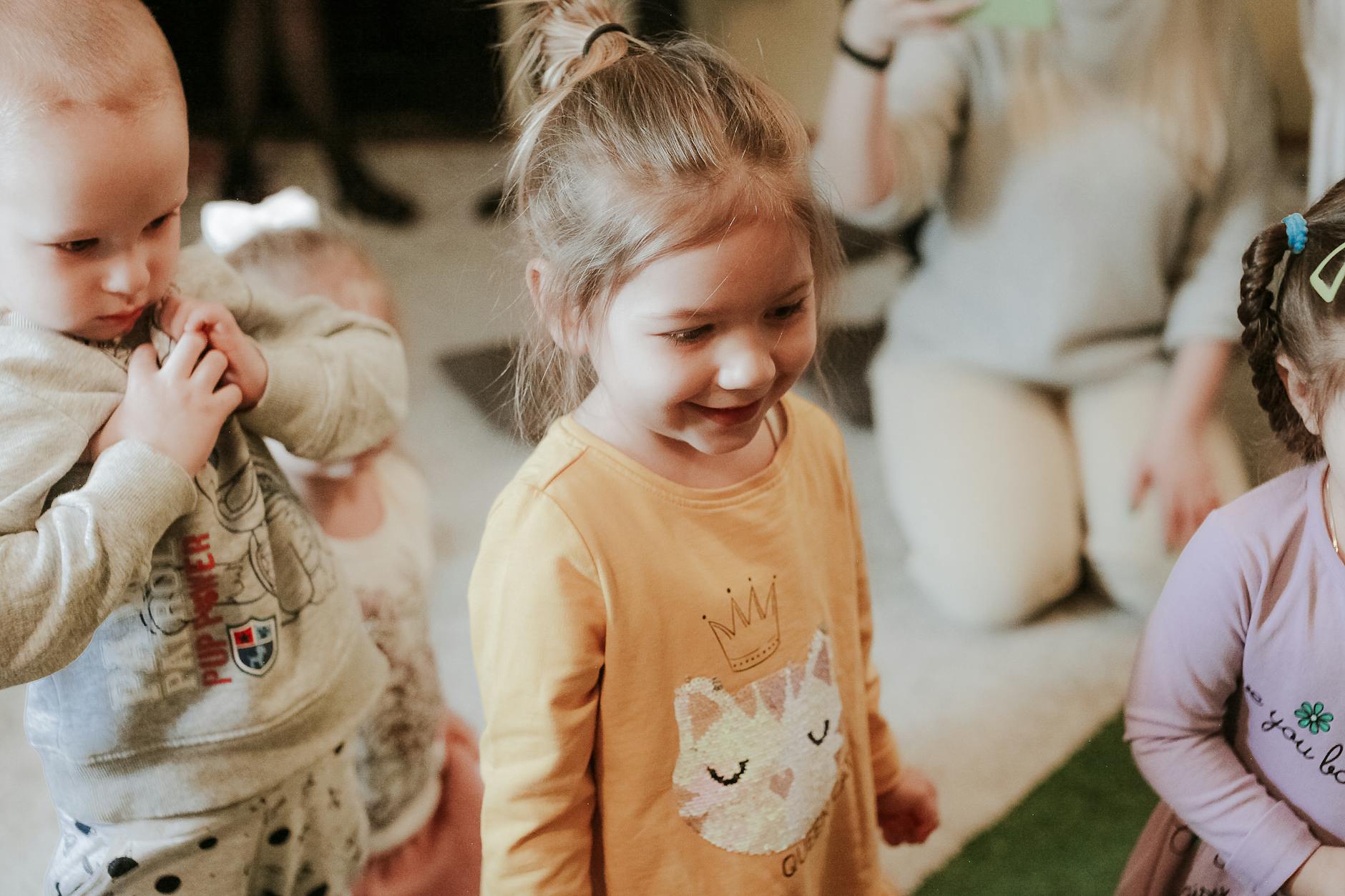
Academic readiness is important, but so is emotional readiness. At Little Einstein’s Academy, we place equal emphasis on helping children develop the social-emotional skills they need to succeed in school and in life.
Our approach includes:
- Conflict Resolution — We teach children to use words to express their feelings, take turns, and solve disagreements respectfully. Teachers model these skills and guide children through real-time situations as they arise.
- Empathy and Kindness — Through stories, role-playing, and classroom discussions, children learn to recognize and respond to the feelings of others. We celebrate acts of kindness and create a classroom culture built on respect.
- Self-Regulation — Young children are still learning to manage their emotions. Our teachers use consistent routines, calming strategies, and positive reinforcement to help children develop self-control and emotional awareness.
- Confidence and Independence — We give children age-appropriate responsibilities and choices throughout the day. When children feel capable and trusted, their confidence grows.
Preparing for Kindergarten
One of the most common questions we hear from parents is: “Will my child be ready for kindergarten?” The answer is a confident yes.
By the time children graduate from our pre-K program, they typically demonstrate:
- Recognition of all 26 letters and their sounds
- Ability to write their first and last name
- Counting to 20 or beyond, with one-to-one correspondence
- Basic addition and subtraction concepts
- Ability to follow multi-step directions
- Strong vocabulary and ability to express ideas in complete sentences
- Social skills — sharing, cooperating, and resolving conflicts independently
- Ability to sit and focus during group activities
- Curiosity and enthusiasm for learning
We work closely with families throughout the pre-K year to ensure a smooth transition to kindergarten, including sharing progress reports and offering guidance on school readiness at home.
Bilingual and Multicultural Learning
Little Einstein’s Academy serves a wonderfully diverse community. Our classrooms reflect that diversity, and we see it as one of our greatest strengths.
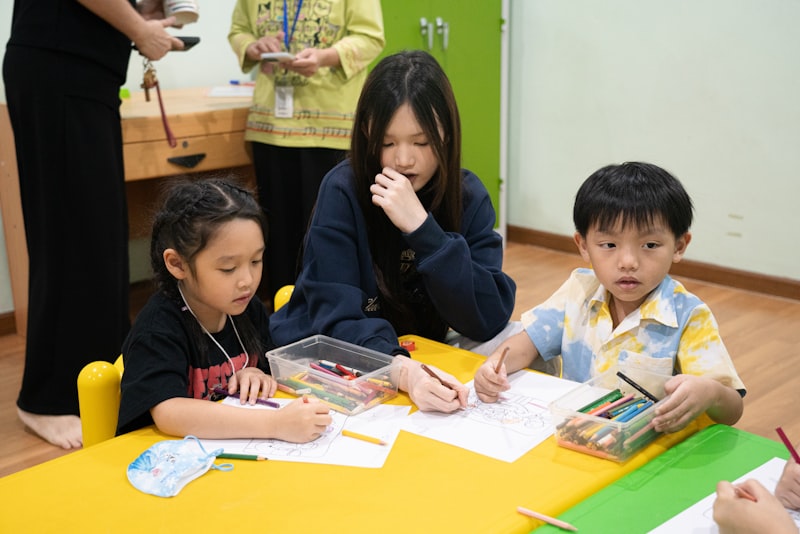
Our staff includes bilingual team members who can support families in multiple languages. We incorporate multicultural awareness into our daily activities — from reading books that feature diverse characters and families, to celebrating cultural traditions and holidays from around the world, to introducing children to foods, music, and customs from different cultures.
We believe that children who grow up in diverse environments develop stronger empathy, broader perspectives, and a deeper understanding of the world they live in.
See Our Programs in Action
The best way to understand how the Creative Curriculum comes to life at Little Einstein’s Academy is to see it for yourself.
Infant Program Toddler Program Pre-K Program
Ready to learn more? Schedule a free tour at our Edison or Roselle location, or visit our FAQ page for answers to common questions about our programs.
The LEA Explorers Program: Enrichment Beyond the Classroom
At Little Einstein’s Academy, learning doesn’t stop with core academics. Our LEA Explorers enrichment activities are woven throughout the daily schedule, giving children exposure to skills and experiences that spark lifelong interests.
Music & Movement
Singing, rhythm instruments, and dance activities that develop coordination, language, and emotional expression.
Creative Arts
Painting, drawing, collage, and sculpting activities that build fine motor skills, self-expression, and visual thinking.
Science & Discovery
Hands-on experiments, nature exploration, and sensory play that encourage observation, questioning, and critical thinking.
Storytelling & Literacy
Daily read-alouds, dramatic play, puppet shows, and journaling that build vocabulary, comprehension, and a love of reading.
Outdoor Play & Nature
Structured outdoor time with age-appropriate equipment, gardening activities, and nature walks that support physical development.
Math & Problem-Solving
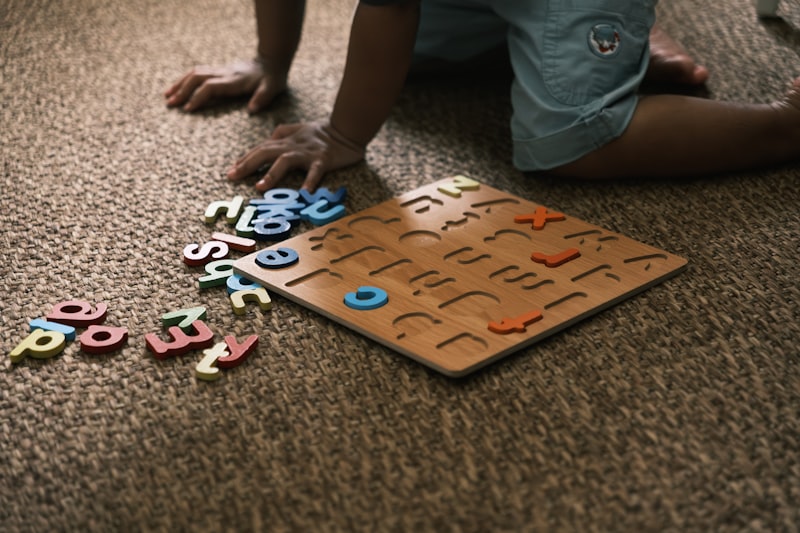
Puzzles, building blocks, sorting games, and counting activities that develop number sense, spatial reasoning, and logical thinking.
These enrichment activities aren’t extras — they’re part of what makes our program whole. Children learn best when they have multiple ways to explore a concept, and our teachers connect enrichment activities back to the Creative Curriculum themes running in each classroom.
Why We Chose the Creative Curriculum
With so many curriculum options available to childcare providers — Montessori, HighScope, Reggio Emilia, proprietary franchise programs — we deliberately chose the Creative Curriculum for three reasons:
1. It’s Research-Based, Not Marketing-Based
Some franchise daycares use proprietary curriculum brands — names like L.E.A.P.® or Seedlings® — that sound impressive but are primarily marketing tools designed to differentiate their franchise. The Creative Curriculum, published by Teaching Strategies, is built on decades of peer-reviewed child development research and is endorsed by the State of New Jersey. We chose substance over branding.
2. It Adapts to Each Child
Unlike rigid academic programs that push all children through the same benchmarks at the same pace, the Creative Curriculum meets each child where they are. Teachers observe, assess, and adjust activities to match individual developmental stages. A child who’s ready to read gets reading support; a child who needs more time with social skills gets that attention instead.
3. It Balances Play and Purpose
Pure play-based programs can lack academic rigor. Pure academic programs can burn children out before kindergarten. The Creative Curriculum strikes the right balance — children learn through purposeful play, guided by teachers who know exactly what skills each activity is building. That’s why our Pre-K graduates consistently enter kindergarten prepared and confident.
Want to see how the Creative Curriculum comes to life in our classrooms? Schedule a tour and watch our teachers in action — it’s the best way to understand what makes our approach different from the franchise model.
Schedule a Free Tour Today
Walk through our classrooms, meet our teachers, and see our programs in action.
Edison: (732) 985-4700 | Roselle: (908) 241-6200