

Getting ready for daycare drop off can feel like packing for a tiny trip every single day. You are not just handing your child over, you are handing over a whole bag of stuff too, and if you forget something, you will probably hear about it by pickup time. Most parents figure this out the hard way, usually after showing up without enough diapers or a spare shirt.
What goes in that bag changes a lot depending on how old your child is. An infant needs bottles and formula packed just right, a toddler needs way more spare clothes than you would think, and a preschooler mostly just needs a backpack and some patience from everyone involved. Below is a breakdown by age, plus a few labeling tricks and mistakes that are easy to make in the first few weeks.
Why Packing the Right Daycare Bag Actually Matters
Packing the right bag is not just about convenience. Daycare centers run on schedules, and when a child shows up without the right supplies, it throws off the whole day for the staff and sometimes for your kid too. A missing nap item or an empty diaper bag means a teacher has to stop what she is doing to sort it out, and that is not fair to her or the other children in the room.
Kids, especially younger ones, also do better when they have familiar things around them. A favorite blanket or a specific sippy cup can make a real difference in how settled a child feels during the day. Checking the bag each week, instead of scrambling every morning, usually means fewer meltdowns at drop off and fewer phone calls from the center asking for a missing item.
Daycare Checklist for Infants (0 to 12 Months)
Infants need the most stuff by far, mostly because they cannot tell anyone what they need and everything has to be planned in advance. Most daycare centers give new parents a list on the first day, but here is a general rundown of what to expect.
- Diapers, enough for a full day plus a few extra
- Wipes, a full pack or travel size refill
- Diaper cream or ointment, labeled with your child’s name
- Bottles, pre-filled or with formula and water packed separately
- Breast milk or formula, labeled with the date it was pumped or mixed
- Bibs, at least two or three
- Burp cloths
- A pacifier, or two in case one gets lost
- Extra outfits, at least two full changes of clothes
- A sleep sack or swaddle if your daycare allows it
- A small blanket for tummy time or naps
Some centers also ask for a feeding schedule written out, especially for babies who are still on formula or just starting solids. Every daycare has slightly different rules for this, so it helps to ask your provider directly. Centers like Little Einstein’s Academy list what their infant program expects on day one, which cuts down on the guesswork.
Daycare Checklist for Toddlers (1 to 3 Years)
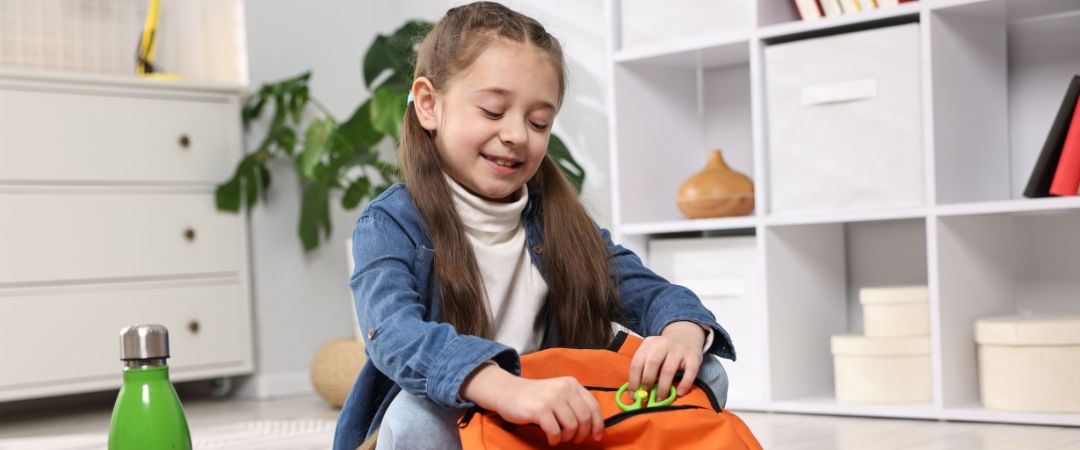
Toddlers need less feeding equipment but more clothing changes, since this is the age of spills, potty accidents, and general chaos. Packing for a toddler is really about being ready for anything.
- Diapers or pull ups, or potty training supplies if your toddler is in that phase
- Wipes
- Two to three full changes of clothes
- A comfort item, like a stuffed animal or small blanket
- A nap mat or crib sheet, depending on what the center requires
- A sippy cup or water bottle with their name on it
- Snacks or lunch, if the daycare does not provide meals
- Sunscreen, especially in warmer months
- A light jacket or sweater for outdoor play
This is also the age where kids start forming little routines, so if your toddler has a specific comfort object they sleep with at home, send it along if the daycare allows it. It tends to make the move into a full toddler classroom smoother, especially in the first few weeks.
Daycare Checklist for Preschoolers (3 to 5 Years)
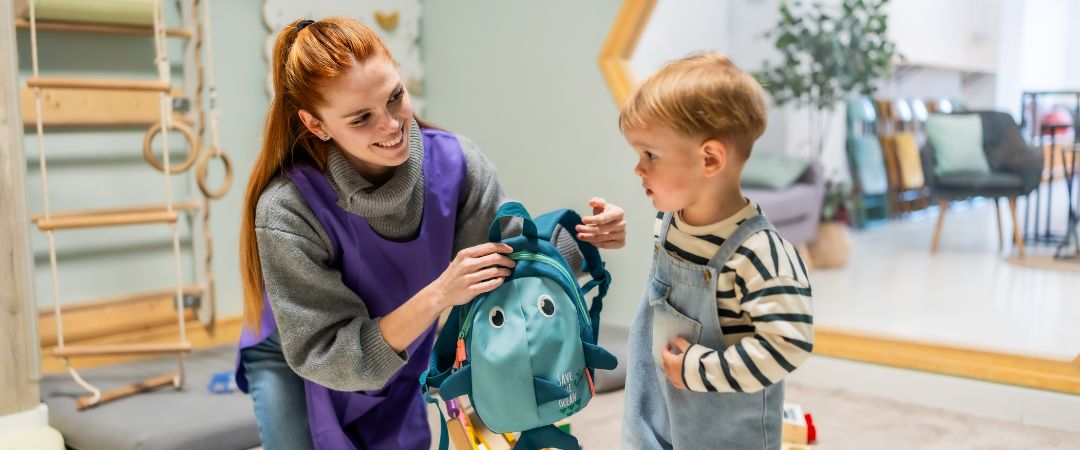
By preschool age, the packing list gets a lot shorter. Most preschoolers are potty trained, eating regular meals, and able to manage a bit more independence, so their bag becomes more about backup supplies than daily essentials.
- A backpack they can carry themselves
- One full change of clothes, just in case
- A water bottle
- Lunch and snacks, if not provided by the center
- A light jacket depending on the weather
- Any specific art supplies or show and tell items requested by the teacher
- Sunscreen for outdoor time
Preschool is often when kids start being part of more structured learning activities, so it is worth checking what your child’s classroom needs beyond the basics. A center’s Pre-K program page usually lists any extra supplies for the term, whether that is a specific folder, a seasonal item, or something for a class project. This is also a good stretch to start thinking about what comes after, since a lot of preschool classrooms are already building toward a basic kindergarten readiness checklist without making a big deal out of it.
Quick Comparison Table by Age Group
| Item | Infant (0 to 12 mo) | Toddler (1 to 3 yrs) | Preschool (3 to 5 yrs) |
|---|---|---|---|
| Diapers or pull ups | Yes, full day supply | Yes, if not potty trained | Rarely needed |
| Bottles or sippy cup | Bottles, labeled | Sippy cup | Regular water bottle |
| Extra clothes | 2 full outfits | 2 to 3 full outfits | 1 outfit |
| Nap item | Sleep sack, blanket | Nap mat, comfort item | Usually not needed |
| Food | Formula or milk | Snacks or lunch | Lunch and snacks |
| Backpack | Not needed | Small bag | Full size backpack |
Labeling Everything, Because You Will Forget What Is Yours
Once you have packed the bag, the next step people tend to skip is labeling. It sounds small, but in a room with ten other kids who all have the exact same brand of sippy cup, unlabeled items get lost fast. Write your child’s first name, and maybe the first letter of their last name, on everything you can. That includes bottles, clothing tags, blankets, shoes, and even individual diapers if your daycare asks for it.
A permanent marker works fine for most things, but for clothing, iron on labels or sticker labels hold up better through the wash. Some parents keep a small label maker at home just for this. It might feel excessive at first, but after the second or third missing item, it starts to feel like the five minutes it takes each week.
Common Mistakes Parents Make When Packing
- Forgetting to restock diapers or wipes until the bag is completely empty
- Sending clothes that are too tight or hard for teachers to change quickly
- Not labeling bottles or sippy cups, which causes mix ups during feeding time
- Packing snacks that go against the daycare’s allergy policy without checking first
- Forgetting seasonal items like sunscreen in summer or extra layers in winter
- Not updating the emergency bag when a child grows out of a size
Most of these mistakes are not a big deal on their own, but they add up over time and create extra work for daycare staff. Taking a few minutes on Sunday night to restock and check sizes can prevent most of these problems before they start.
Getting Ready for the First Real Week
Packing for daycare gets easier once you settle into a rhythm, but that first week is always the hardest. You are learning your child’s new routine at the same time the daycare staff are learning your child, and there will be a few bumps along the way, which is pretty normal for most kids working through the separation anxiety that comes with starting daycare. Keep a small checklist near your diaper bag or backpack station at home, and update it as your child grows out of certain items or moves into a new age group.
If you are still deciding on a daycare or preschool, it helps to know what to ask on a tour before you commit, since coverage and expectations vary a lot between centers. Most places will also send new families a general daycare checklist or supply list during enrollment, which takes some of the guesswork out of that first drop off.
Packed, Prepped, and Ready for Drop Off
Daycare packing is one of those parenting tasks that feels overwhelming at first and then becomes second nature within a few weeks. Once you know what your child’s age group actually needs, the checklist shrinks down to a manageable routine you can do without much thought, and most weeks it is just a quick restock rather than a full repack.
If you are in Edison or Roselle, New Jersey and still weighing your options, Little Einstein’s Academy works with families through this exact transition, from what to pack on day one to how the daily routine runs once your child settles in. You can schedule a tour to see a classroom and ask about their infant, toddler, and Pre-K programs directly.
Frequently Asked Questions
How many diapers should I pack for a full day of daycare?
Most daycare centers recommend packing six to eight diapers for infants and toddlers who are not yet potty trained. It is better to send a few extra than to run short, since accidents and growth spurts can use up diapers faster than expected.
Do I need to label everything I send to daycare?
Yes, almost everything should be labeled, including bottles, clothes, blankets, and shoes. Daycare rooms often have several children with similar items, and labeling prevents mix ups and lost belongings.
What should I do if my daycare has an allergy policy for snacks?
Ask for a written copy of the allergy policy before you pack any food. Many centers are nut free or have restrictions on certain ingredients, so it is worth checking before sending homemade snacks or lunches.
How often should I restock the daycare bag?
Check the bag at least once a week, ideally over the weekend. This gives you time to restock diapers, wipes, and clothing before Monday morning instead of scrambling at the last minute.
What items can I leave at daycare instead of packing them daily?
Items like nap mats, spare clothes, sunscreen, and crib sheets can often stay at daycare and just get refreshed periodically. Ask your provider which items they prefer to keep on site versus which ones need to come daily.