

Your child spends a big part of the week at daycare. The rest of the time, they’re at home with you. Both places shape how they grow, and kids notice when the adults in each place get along.
A strong parent teacher partnership doesn’t take a lot of time. It mostly takes small, steady talks. This blog covers simple ways parents and daycare teachers can share what they know, so your child gets the same kind of support in both places. It works whether your little one is in the infant room or getting ready for kindergarten.
Why Parents and Daycare Teachers Need to Be on the Same Team
Young kids learn best from people they trust. A toddler who feels settled at drop-off will play more, try more and ask more questions. A lot of that comfort comes from the adults around them. When a child sees mom chatting with the teacher, it tells them this is a safe place.
Studies on early childhood education often link family involvement with better school readiness and stronger social skills. That makes sense when you think about it. A teacher sees how your child acts around other kids. You see how they act when they’re tired, hungry or just plain done with the day. Neither view is complete. Put them together and you can catch things early, like a skipped nap that explains the afternoon meltdown.
What Parents Know and What Teachers See
Here’s how the two views usually split up.
| What Parents Know | What Daycare Teachers See |
|---|---|
| Sleep habits and bedtime routine | How the child plays with other kids |
| Food likes, dislikes and allergies | How the child handles group time |
| Changes at home, like a new baby or a move | How the child reacts to rules and transitions |
| Health history and past illness | Milestones that show up in a group setting |
| What calms the child down at home | Which activities hold their attention |
Sometimes a small detail from one side solves a puzzle for the other. A child who is cranky at 2 pm might just need an earlier nap. Without a quick chat, nobody connects the dots.
Easy Ways to Stay in Touch Every Day

Good parent teacher communication doesn’t need long meetings. A few minutes, done often, works better than one big talk every few months.
- Use drop-off and pickup. Even one minute helps. Mention how the night went, or ask how the day was.
- Read the daily updates. Many daycares share meals, naps and activities through an app or a daily sheet. If something stands out, reply.
- Pick one main way to talk. An app, a notebook or a text thread. Just stick with one so messages don’t get lost.
- Share big changes right away. A new sibling, a sick grandparent or a house move can change a child’s mood fast.
- Ask open questions. “What did she enjoy today?” gets you more than “Was she good?”
- Pass along the good news too. A first word or a new skill is worth sharing, not only the problems.
Matching Routines at Home and at Daycare
Kids like to know what comes next, which is a big reason routines matter so much for little ones. When home and daycare run on a similar rhythm, children usually settle in faster. The two don’t have to match exactly, but being close helps a lot.
Ask the teacher what a normal daily schedule looks like, then borrow a few pieces. If the class reads a story before nap, try a short story before bed. If the teacher has a phrase that calms kids down, ask what it is and use it at home. You can also ask what activities are planned that week, so you can bring them up at dinner. It gives your child something to say when you ask, “What did you do today?”
Teachers can learn from parents too. Maybe your child hums a certain tune to fall asleep. Maybe a stuffed bunny helps during hard moments. Those little facts are really useful. A teacher who knows them can help a child through a rough patch a lot faster.
Supporting Each Area of Child Development
Child development covers more than ABCs and counting. Parents and teachers can team up on all of it.
- Language. Teachers can tell you about new words they hear. At home, talk, read and sing. Share new words back and forth so the child hears them in both places.
- Social and emotional growth. If your child is shy, or bites when upset, tell each other. Agree on one calm response so they hear the same thing everywhere.
- Motor skills. Daycare may offer climbing, drawing and building. At home, stacking cups, pouring water or kicking a ball keeps those muscles busy.
- Independence. Teachers may be helping kids build independence by putting on shoes or washing hands. Let your child try at home too, even when it takes forever.
- Learning habits. Curiosity, patience and listening start early. Praise effort, not just results.
Most centers follow a set curriculum, so ask which skills are the focus this month. Then you can practice the same ones at home.
How the Partnership Changes by Age

What you talk about shifts as your child grows. Here’s a rough guide.
| Stage | Teachers Can Share | Parents Can Share |
|---|---|---|
| Infants | Feeding times, naps, diaper changes, tummy time | Feeding cues, sleep at night, any fussiness or illness |
| Toddlers | New words, big feelings, potty progress | Home routines, favorite words, things that trigger tantrums |
| Pre-K | Letters, numbers, sharing, kindergarten readiness | Interests, fears, what they talk about after school |
Each room works a little differently. Parents in the infant room mostly swap feeding and sleep notes. In the toddler room, the talk is about new words and big feelings. By the time a child is in a Pre-K program, you’ll be comparing notes on letters, numbers and kindergarten readiness.
When Conversations Get Hard
Not every talk will be easy. A child may bite, refuse to nap or struggle to share. Parents can feel defensive. Teachers might worry about how to say it kindly. Both are normal. The goal is to solve the problem together, not to decide whose fault it is.
Start with what you saw, not what you think it means. A teacher might say, “He pushed two kids during block time today.” A parent might say, “He’s been waking up at night all week.” Then make a small plan and set a day to check in again, maybe in a week. Tears at drop-off are a common example. They’re often separation anxiety, and a quick update at pickup, like “she stopped crying after five minutes,” helps parents breathe easier. Most behavior issues at this age are part of learning, and they ease up with steady support from everyone.
Small Habits That Build Trust
Trust grows slowly. It comes from lots of small moments, not one big one.
- Say hello and use each other’s names.
- Be on time for pickup, or call if you’ll be late.
- Teachers can follow up when they say they will.
- Save long talks for a scheduled meeting so no one feels rushed.
- Ask questions when something isn’t clear. Pickup rules and allergy plans are fair things to bring up, and so is how the center follows state daycare licensing rules.
- Say thank you for the little things.
- Come to open days and parent events when you can.
Keep Talking, Even When It Feels Small
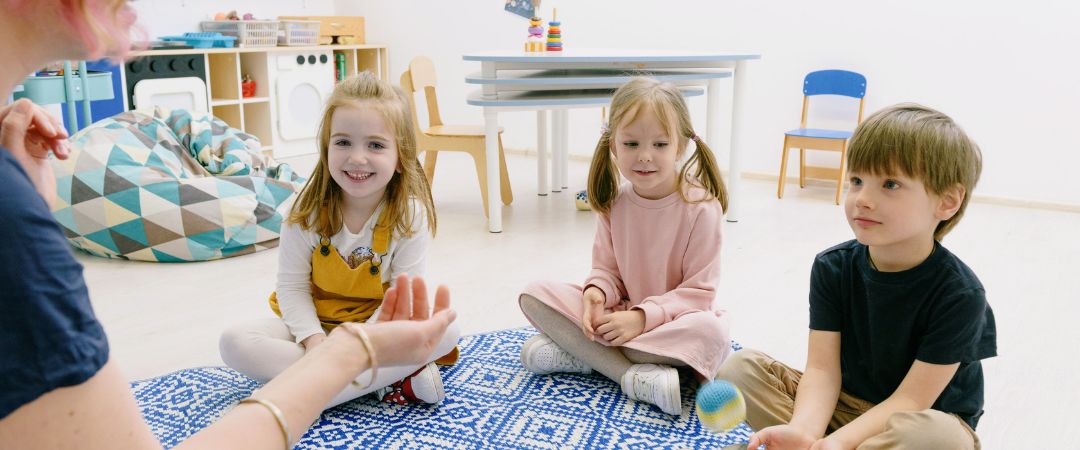
Your child doesn’t care who’s right. They care that the people around them are kind and steady, and that those people seem to be working together. You don’t have to get it perfect. A quick question at pickup, a note about a rough night, a thank you to the teacher. It all adds up.
If you’re in Edison or Roselle and want to see how this looks in a real classroom, stop by for a tour and meet the teachers. Try asking one new question at pickup this week and see where it goes.
Frequently Asked Questions
How often should parents talk to daycare teachers?
A short chat every day at drop-off or pickup is a good habit. Add a longer check-in every few months to talk about progress and goals.
What should I tell my child’s daycare teacher?
Share anything that might change your child’s mood or behavior. That includes sleep, health, allergies, family changes and what comforts them. Small details help more than you’d think.
How can parents support child development at home?
Read together, talk about the day, keep routines steady and let your child try things on their own. Ask the teacher which skills the class is working on and practice those.
What is parent teacher communication in early childhood education?
It’s the regular sharing of information between families and teachers about a child’s health, habits, mood and learning. It can happen in person, through daily updates or in scheduled meetings.
What if I disagree with my daycare teacher?
Ask for a private talk and stay calm. Explain what you saw and what worries you. Most teachers want to find a fair solution and will listen.